Air quality in busy city areas is often compromised by the accumulation of waste, debris, and discarded materials that release dust, odors, and harmful particles into the environment. Junk removal plays a vital role in improving urban air quality by efficiently clearing these materials before they decompose or disperse pollutants.
Removing clutter from streets, sidewalks, and public spaces reduces airborne dust, limits the spread of allergens, and minimizes the emission of unpleasant odors, contributing to a cleaner and healthier atmosphere. Consistent junk removal also supports public health by lowering the risk of respiratory issues and creating more pleasant surroundings for residents, workers, and visitors in high-traffic city areas.
Reducing Airborne Dust
Accumulated debris in city streets generates dust that easily becomes airborne, worsening air quality. Junk removal effectively clears clutter, preventing particles from circulating and being inhaled by residents and visitors.
By removing waste before it breaks down into smaller fragments, communities can significantly reduce airborne dust levels. Clean streets and open public spaces allow for improved airflow, contributing to a fresher atmosphere.
Regular junk removal ensures that particles from old furniture, cardboard, and other discarded materials do not linger in the environment, promoting a healthier urban experience. This proactive approach safeguards residents’ respiratory health while enhancing the overall cleanliness and livability of busy city areas.
Minimizing Odor Pollution
Decomposing trash and clutter often release unpleasant odors that affect the quality of life in urban environments. Junk removal helps prevent these smells from accumulating by ensuring waste is removed promptly.
Timely disposal of organic and non-organic debris reduces odor emissions that can linger in streets, alleys, and public areas. Cleaner surroundings also encourage residents to spend more time outdoors, enhancing community interaction and wellbeing.
By managing waste efficiently, junk removal not only improves air quality but also creates a more comfortable and inviting environment. Consistent service prevents odor build-up, helping busy city areas maintain a fresher and healthier atmosphere for everyone.
Prompt Waste Removal
Timely junk removal prevents decomposing materials from releasing unpleasant odors. Clearing both organic and non-organic debris ensures streets, alleys, and public areas remain fresh, promoting healthier air quality and a more enjoyable environment for residents and visitors.
Reducing Lingering Smells
Accumulated clutter can create persistent odors that affect neighborhoods. Junk removal efficiently eliminates sources of decay and waste, preventing smells from spreading and maintaining a cleaner, more comfortable atmosphere in busy urban areas.
Encouraging Outdoor Activity
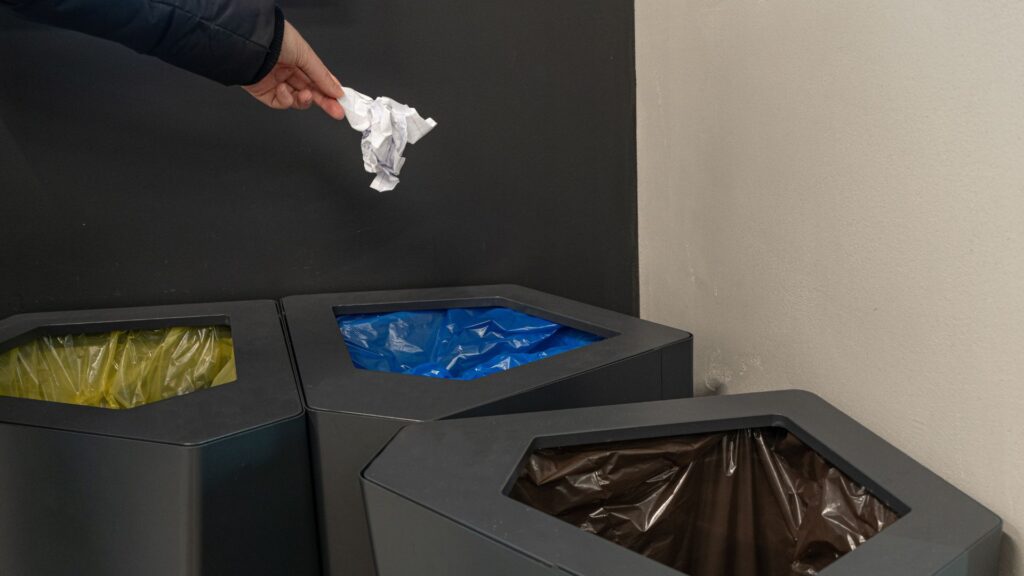
Clean, odor-free streets make public spaces more inviting. Junk removal enhances the experience of parks, sidewalks, and community areas, encouraging residents to spend time outdoors and interact safely with their environment.
Improving Community Wellbeing
Removing odor-causing waste supports overall health and comfort. Junk removal reduces exposure to unpleasant smells, improves mental well-being, and fosters a sense of pride and cleanliness within urban neighborhoods.
Maintaining Consistent Freshness
Regular junk removal prevents odor build-up over time. Continuous clearing of streets and alleys ensures a consistently fresh, breathable environment, contributing to improved air quality and healthier living conditions in busy city areas.
Controlling Allergen Exposure
Street clutter and neglected waste can harbor allergens like dust mites, pollen, and mold spores that reduce air quality. Junk removal ensures these materials are removed before they become widespread, limiting exposure for residents.
By clearing debris from sidewalks, vacant lots, and public areas, communities can reduce triggers for asthma, allergies, and respiratory irritation. Maintaining clutter-free streets promotes a safer environment for sensitive populations, including children and the elderly.
Regular junk removal supports urban health by controlling airborne allergens, preventing accumulation in high-traffic areas, and contributing to an overall cleaner, safer, and more breathable atmosphere for city dwellers.
Preventing Pest-Related Air Contaminants
Accumulated junk attracts pests such as rodents and insects, which can contribute to airborne bacteria and odors. Junk removal eliminates these attractants, reducing the likelihood of pest infestations in urban areas.
By removing debris that serves as shelter or food sources, communities prevent airborne contaminants linked to pests. Fewer pests in streets and public spaces reduce health risks, including the spread of disease.
Effective junk removal keeps streets clean and minimizes indirect contributors to air pollution, ensuring that residents are not exposed to harmful particles carried by pests. This proactive approach supports both sanitation and improved air quality in busy city environments.
Supporting Public Health Initiatives
Maintaining clean streets through junk removal complements broader public health efforts in urban centers. Removing clutter reduces airborne contaminants, decreases respiratory risks, and fosters healthier living conditions for residents. Cleaner streets also lower the risk of illness spread by preventing waste-related hazards from accumulating.
By integrating junk removal into city maintenance practices, communities can promote cleaner air, safer public spaces, and improved overall wellbeing. Consistent waste management reinforces health-conscious urban planning, ensuring that citizens benefit from reduced pollution levels while enjoying accessible, organized, and aesthetically appealing streets free from debris-related hazards.
Enhancing Visibility and Airflow
Debris-strewn streets not only create physical obstacles but can impede airflow in congested urban areas. Junk removal ensures that streets and public spaces remain open and free from clutter, allowing air to circulate more efficiently. Improved airflow disperses pollutants and helps prevent stagnant pockets of dust or odors from forming.
By removing large or scattered debris, communities contribute to fresher, cleaner city air and reduce localized pollution concentrations. Maintaining unobstructed streets through junk removal supports both environmental quality and the comfort of residents, ensuring that busy urban areas remain breathable, organized, and visually appealing.
Reducing Environmental Contamination
Improperly managed debris can release harmful substances into the air as materials degrade. Junk removal mitigates this by collecting and disposing of waste responsibly before it releases pollutants. Preventing environmental contamination protects both residents and nearby ecosystems from airborne toxins and particulate matter.
Regular removal of clutter also limits the spread of chemicals, dust, and micro-particles that compromise urban air quality. By investing in junk removal, cities actively reduce pollution sources, maintain cleaner streets, and foster sustainable urban environments where residents can breathe easier and enjoy healthier surroundings.
Encouraging Community Cleanliness Awareness
Regular junk removal promotes awareness about the importance of maintaining clean urban environments. Residents are more likely to dispose of waste responsibly when streets are consistently clutter-free, reducing the potential for air quality degradation.
Visible, clean spaces encourage community participation in waste management practices and reinforce the connection between proper disposal and healthier air. By integrating junk removal into daily city operations, communities foster long-term habits that support environmental stewardship and reduce airborne pollutants.
This proactive approach ensures that busy city areas remain organized, safe, and breathable, enhancing both public health and overall quality of life for urban residents.
Conclusion
Maintaining clean streets and public spaces is essential for improving air quality in busy urban areas. Junk removal removes accumulated debris, dust, and waste that can release harmful particles and odors into the atmosphere.
By keeping streets and sidewalks free from clutter, communities reduce allergens, prevent pest-related pollutants, and create healthier, more breathable environments for residents, workers, and visitors. Regular junk removal also supports public health, enhances neighborhood aesthetics, and encourages responsible waste management practices that benefit the entire city.
For professional service in Reno and Sparks, NV, RC Junk Removal LLC provides efficient, reliable junk removal solutions. Call 775-762-3088 today to schedule a pickup and help maintain cleaner air and safer, clutter-free streets throughout your community.
